


Please Leave Us A Message
Privacy statement: Your privacy is very important to Us. Our company promises not to disclose your personal information to any external company with out your explicit permission.


**Internal sliding doors** are a sophisticated architectural solution designed to maximize space efficiency and aesthetic appeal within residential and commercial interiors. Unlike traditional hinged doors that require clearance for swinging open, internal sliding doors operate on a track system, gliding smoothly along the wall or into a pocket. This mechanism is particularly valuable in modern interior design where every square foot counts, allowing for seamless transitions between rooms without compromising usable floor space.
Crafted from high-quality aluminum profiles, these doors offer superior durability, corrosion resistance, and low maintenance requirements compared to wood or steel alternatives. The sleek, minimalist frames of aluminum sliding doors complement contemporary decor styles while providing excellent thermal insulation and soundproofing capabilities. For property developers and homeowners alike, investing in premium internal sliding doors means enhancing both the functional utility and market value of a building.
Whether you are looking to create an open-plan feel, hide cluttered spaces, or simply add a touch of elegance to your home or office, internal sliding doors provide a versatile and stylish solution. Their smooth operation and robust construction ensure long-term reliability, making them an essential component of modern building systems.
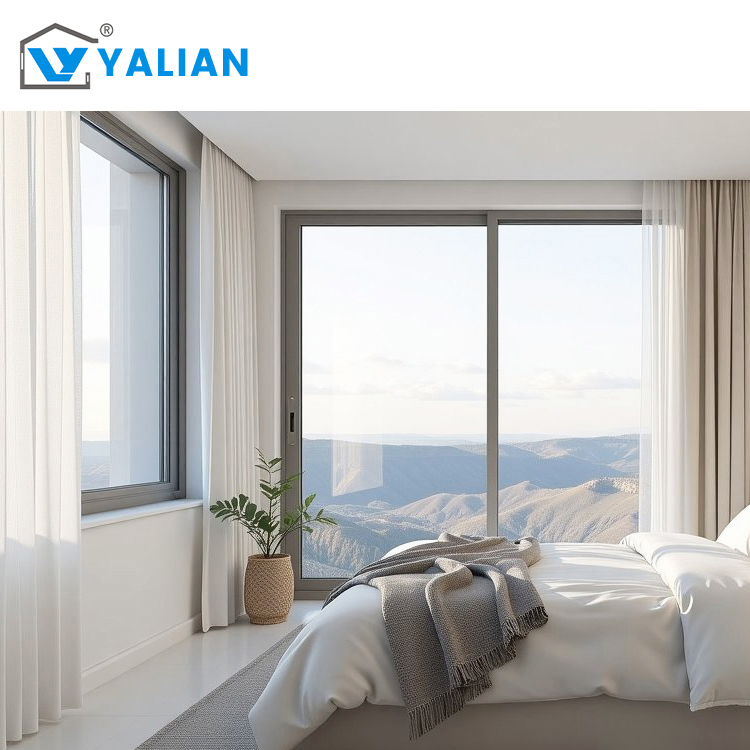
At Foshan Yalian Door And Window System Technology Co., Ltd., quality is not just a checkpoint—it is embedded in every stage of our manufacturing process. With over 30 years of industry experience and a state-of-the-art 100,000-square-meter facility, we adhere to rigorous international standards to ensure that every **aluminum sliding door** we produce meets the highest benchmarks for performance, safety, and aesthetics.
Our production lines utilize advanced extrusion technology, ranging from 600-ton to 2,500-ton presses, ensuring precise dimensional accuracy and structural integrity. We employ multiple surface treatment processes, including anodizing, electrophoretic coating, and color powder spraying, to enhance corrosion resistance and visual appeal. Each batch undergoes strict quality control inspections, guaranteeing consistency and reliability for global buyers.
All products comply with international quality standards, having served over 1,500 projects across more than 100 countries. This global track record demonstrates our commitment to delivering **premium internal sliding doors** that withstand diverse environmental conditions while maintaining their finish and functionality for decades.
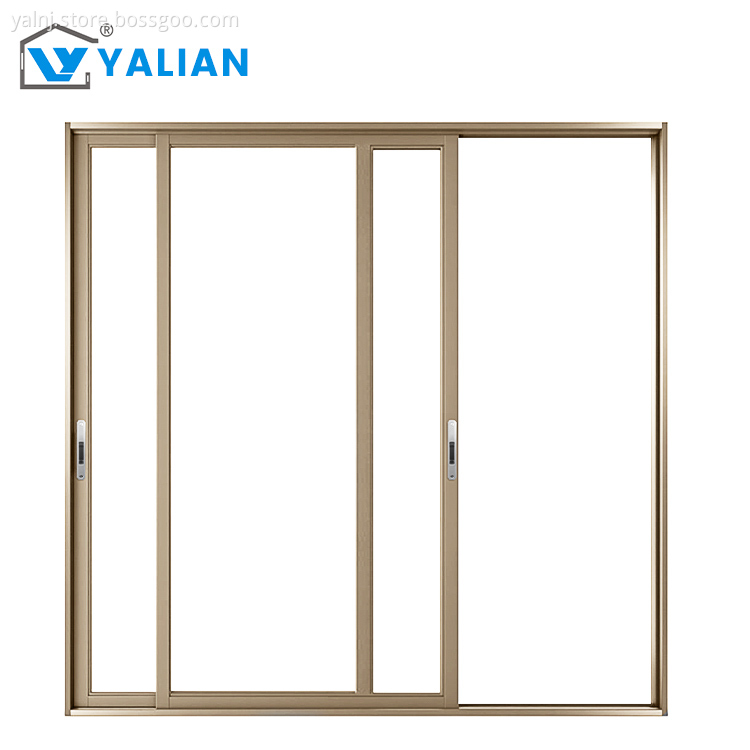
Selecting the ideal **internal sliding doors** requires careful consideration of several key factors. As a professional buyer, understanding these elements will help you make informed decisions that balance cost, performance, and aesthetic requirements.
The thickness and alloy composition of the aluminum profile directly impact the door's strength and longevity. Look for doors made from high-grade aluminum alloys (such as 6063-T5 or T6) with wall thicknesses of at least 1.4mm for standard applications and up to 2.0mm for heavy-duty use. Thicker profiles resist warping and provide smoother operation over time.
Choose from various surface finishes including anodized, electrophoretic coated, powder-coated, or wood-grain textured options. Anodized finishes offer excellent corrosion resistance and a modern metallic look, while powder coating provides a wider range of colors and better scratch resistance. Select based on your project's environmental conditions and design preferences.
The smoothness and durability of sliding doors depend heavily on the track and roller mechanism. Opt for doors equipped with stainless steel rollers and precision-machined tracks that ensure quiet, effortless operation. Double-track systems allow for two-panel configurations, while single-track designs are suitable for narrower openings. Consider noise-reduction features for bedroom or office applications.
Internal sliding doors often incorporate glass panels to maintain light flow between rooms. Choose between clear, frosted, tinted, or tempered glass based on privacy needs and safety requirements. Tempered glass is mandatory for safety compliance in most markets. Double-glazed units provide additional thermal and acoustic insulation, ideal for conference rooms or bedrooms.
Before finalizing your procurement decision for **internal sliding doors**, use this comprehensive checklist to evaluate suppliers and product specifications. This systematic approach ensures you avoid common pitfalls and secure the best value for your investment.
Internal sliding doors are versatile solutions applied across diverse sectors. Their space-saving design, aesthetic flexibility, and functional benefits make them ideal for numerous applications worldwide.
In modern homes and apartments, internal sliding doors are used for closets, pantries, home offices, and room dividers. They create flexible living spaces that can be opened or closed as needed, enhancing both functionality and visual appeal. Premium aluminum frames complement contemporary interior designs while providing durable, low-maintenance solutions for busy households.
Office environments benefit significantly from internal sliding doors, particularly for conference rooms, private offices, and reception areas. They allow for quick spatial reconfiguration, supporting collaborative or focused work modes. Sound-insulating glass configurations ensure privacy during meetings while maintaining natural light flow throughout the workspace.
Hotels and resorts utilize internal sliding doors to create adaptable guest rooms, separating sleeping areas from living spaces or bathrooms. The sleek, minimalist design enhances luxury aesthetics, while reliable operation ensures guest satisfaction. Durable aluminum construction withstands high-traffic usage typical in hospitality environments.
Hospitals and clinics use internal sliding doors for patient rooms, examination areas, and storage spaces. Hygienic, easy-to-clean surfaces and smooth operation support infection control protocols. Pocket door configurations maximize space efficiency in tight corridors and treatment rooms.
Retail stores employ internal sliding doors for fitting rooms, stockrooms, and partitioned displays. Transparent glass options allow visibility while maintaining security. Quick installation and minimal disruption make them ideal for store renovations and pop-up concepts.
Schools and universities use internal sliding doors for classrooms, libraries, and multipurpose spaces. Flexible configurations support varying class sizes and teaching methodologies. Durable construction handles daily student traffic while maintaining appearance over time.
Understanding common challenges in sourcing **internal sliding doors** helps buyers avoid costly mistakes. Here are frequent issues encountered during procurement and how to mitigate them.
The Problem: Doors that do not fit properly due to manufacturing tolerances, leading to installation delays and additional costs.
Solution: Work with suppliers who invest in precision extrusion equipment and implement strict quality control measures. Request detailed technical drawings and confirm dimensions before bulk ordering. Ask for tolerance specifications (typically ±1-2mm for aluminum profiles).
The Problem: Noisy, sticky, or uneven sliding caused by low-quality rollers or improperly machined tracks.
Solution: Specify stainless steel rollers with sealed bearings and demand smooth-operation testing samples. Inquire about track material (aluminum alloy vs. cheaper alternatives) and ask for noise level measurements. Reputable suppliers will provide performance data and warranty coverage for mechanical components.
The Problem: Color fading, peeling, or corrosion on aluminum surfaces due to inadequate surface treatment.
Solution: Verify the surface treatment process used—electrophoretic coating offers superior durability compared to standard anodizing. Request salt spray test reports (minimum 24 hours for standard, 48+ hours for premium). Ensure the supplier follows recognized standards such as GB/T 5237 for aluminum profile surface treatments.
The Problem: Use of non-tempered or substandard glass that fails safety regulations and poses injury risks.
Solution: Mandate tempered glass (minimum 5mm thickness for internal doors) with visible safety markings. Require third-party certification and test reports. Specify laminated glass for added security in high-traffic or commercial applications. Confirm compliance with local building codes regarding glass safety standards.
When sourcing **internal sliding doors** from China, selecting the right manufacturer is critical. Foshan Yalian Door And Window System Technology Co., Ltd. stands out as a premier partner for global buyers seeking quality, reliability, and competitive pricing.
Founded in 1993, Yalian brings over 30 years of specialized experience in aluminum profile extrusion and door/window system manufacturing. This extensive history translates into deep technical knowledge, refined production processes, and the ability to solve complex engineering challenges efficiently.
With a 100,000-square-meter factory and annual aluminum profile output of 50,000 tons, Yalian can handle large-scale orders with consistent quality and reliable lead times. Modern equipment ranging from 600-ton to 2,500-ton extrusion presses ensures precision and versatility in every product.
Having served over 1,500 projects across 100+ countries, Yalian understands diverse market requirements, regulatory standards, and cultural expectations. This global footprint provides confidence that your project will receive tailored support and culturally aware communication throughout the procurement process.
From raw aluminum extrusion to finished door assemblies, Yalian controls every step of production. This vertical integration reduces dependency on external suppliers, minimizes lead times, and ensures consistent quality control—from profile creation through surface treatment, assembly, and packaging.
Get answers to the most common questions buyers ask when sourcing **internal sliding doors**. These insights help streamline your procurement decision-making process.
Standard internal sliding door orders typically have a lead time of 15-25 days depending on order volume and customization requirements. Bulk orders may require slightly longer production scheduling, but Yalian's efficient manufacturing processes ensure timely delivery. Expedited options are available for urgent projects upon request.
Yes, Yalian specializes in custom-sized internal sliding doors to accommodate unique architectural requirements. Our flexible production lines can handle various widths, heights, and panel configurations. Custom orders may involve slightly longer lead times and minimum quantity requirements, but the result is a perfectly fitted solution for any opening.
We offer multiple surface treatment options including anodizing (clear, bronze, black), electrophoretic coating (superior durability and color consistency), powder coating (wide color range), and simulated wood grain finishes. Each treatment provides different levels of corrosion resistance, scratch resistance, and aesthetic appeal. Our team can recommend the optimal finish based on your project's specific requirements and environmental conditions.
All Yalian products comply with international quality standards and are designed to meet regional building codes and safety regulations. Glass panels use tempered or laminated safety glass as required. Hardware components undergo rigorous testing for durability and load-bearing capacity. We provide comprehensive documentation including test reports and certifications to support your compliance requirements.
Our minimum order quantities vary depending on product specifications and customization level. Standard configurations typically have lower MOQ thresholds, while fully custom designs may require higher volumes to justify setup costs. Contact our sales team for specific MOQ details based on your project requirements—we work closely with buyers to find viable solutions regardless of order size.
Quality control is integrated at every production stage. Raw materials undergo incoming inspection, extrusion processes are monitored with precision equipment, surface treatments follow controlled parameters, and finished products receive final inspection before packaging. Our experienced QC team conducts random sampling and full inspections based on agreed quality plans. We maintain detailed records of all inspections and tests for traceability.
About Us
Related Products List
Contact Us

Privacy statement: Your privacy is very important to Us. Our company promises not to disclose your personal information to any external company with out your explicit permission.
Fill in more information so that we can get in touch with you faster
Privacy statement: Your privacy is very important to Us. Our company promises not to disclose your personal information to any external company with out your explicit permission.