


Please Leave Us A Message
Privacy statement: Your privacy is very important to Us. Our company promises not to disclose your personal information to any external company with out your explicit permission.


Exterior sliding doors are high-performance architectural systems designed to provide seamless transitions between indoor living spaces and outdoor environments. Unlike traditional swing doors, these systems utilize a track-based mechanism that allows panels to glide horizontally, maximizing opening width while eliminating the need for clearance space.
For modern homes and commercial buildings, exterior sliding doors offer more than just aesthetic appeal. They serve as critical components of your building envelope, influencing energy efficiency, security, and natural light intake. By selecting premium aluminum sliding doors, property owners can significantly reduce thermal transfer while enjoying unobstructed views of their surroundings.
The evolution of exterior sliding door technology has addressed historical pain points such as air leakage and structural instability. Modern systems incorporate multi-point locking mechanisms, weatherproof seals, and reinforced frames to ensure durability against harsh weather conditions, making them an ideal choice for coastal regions or areas with extreme temperature fluctuations.
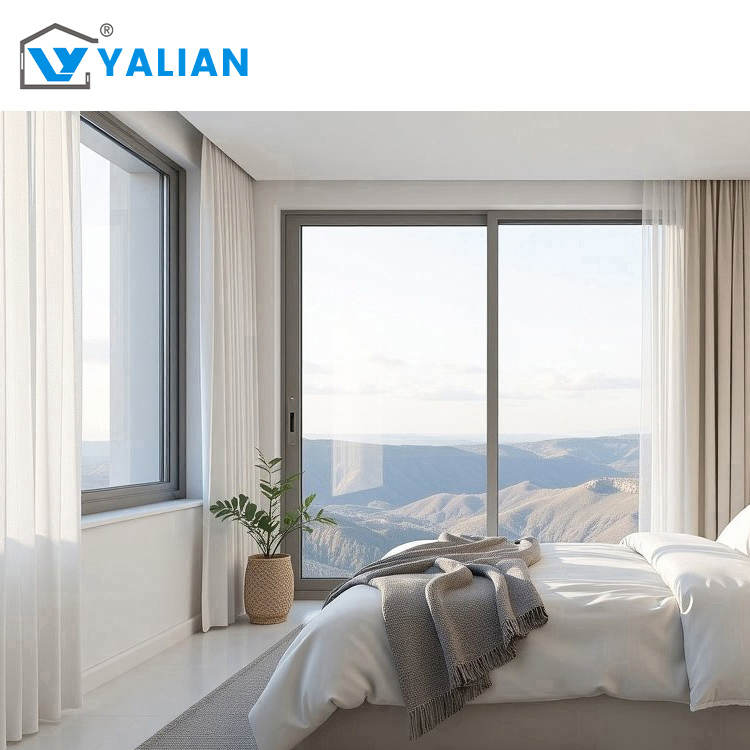
High-quality exterior sliding doors feature thermally broken aluminum profiles and double-glazed units that minimize heat loss. This translates to lower HVAC costs and improved comfort year-round, directly reducing your operational expenses.
Advanced locking systems and impact-resistant glass provide robust protection against break-ins. The sturdy aluminum frame construction ensures that your entry points remain secure without compromising visibility.
The sliding mechanism eliminates the swing radius required by traditional doors, preserving valuable interior floor space. This is particularly beneficial for compact living areas or tight commercial layouts where every square meter counts.
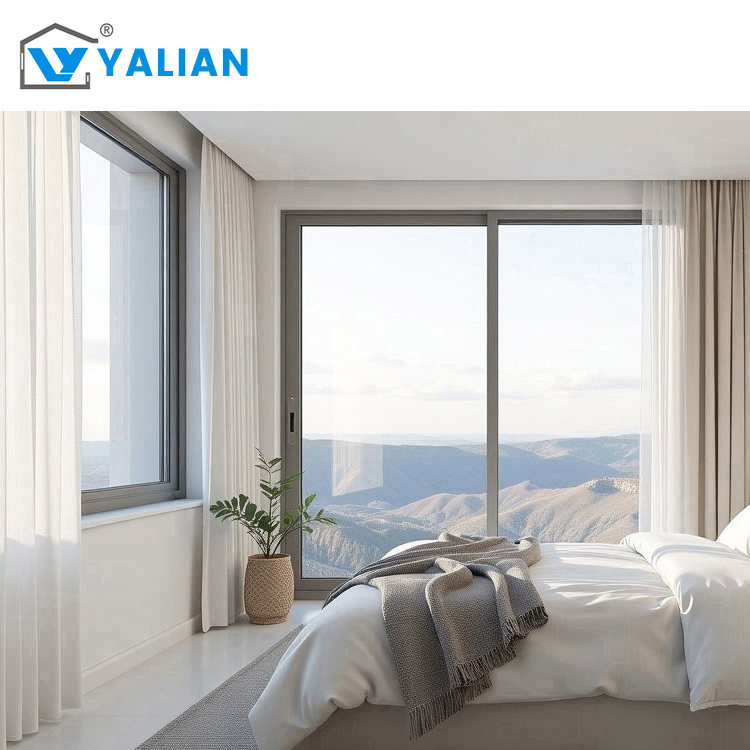
At Foshan Yalian Door And Window System Technology Co., Ltd, quality begins with precision manufacturing. Our state-of-the-art facility spans 100,000 square meters, equipped with advanced aluminum extrusion lines ranging from 600 to 2500 tons. This infrastructure allows us to produce custom profiles that meet exact engineering specifications for exterior sliding doors.
We utilize two anodizing lines, two electrophoretic coating lines, and specialized color powder spraying production lines. These processes ensure that our aluminum profiles resist corrosion, fading, and wear, extending the lifespan of your exterior sliding doors even in harsh environmental conditions.
All products undergo rigorous testing to meet international quality standards. With over 10 years of experience serving 1,500+ projects across 100 countries, our manufacturing processes are refined to deliver consistent performance. From raw material sourcing to final assembly, every step is controlled to ensure reliability and durability.
Selecting the perfect exterior sliding doors requires careful consideration of several technical factors. The right choice depends on your climate zone, architectural style, and functional requirements. Here are the key aspects to evaluate when specifying sliding doors for your project.
Aluminum is the preferred material for exterior sliding doors due to its strength-to-weight ratio and low maintenance requirements. Look for thermally broken aluminum profiles that prevent condensation and improve insulation. The profile depth and wall thickness also impact structural stability, especially for large-format sliding doors.
Double or triple glazing with argon gas fill significantly enhances thermal performance. Low-E coatings reflect heat while allowing natural light to enter. For safety-critical applications, consider laminated or tempered glass options that meet local building codes.
The smoothness and longevity of your sliding doors depend heavily on the track design and roller quality. Multi-wheel stainless steel rollers with adjustable heights ensure effortless operation. Concealed tracks offer a cleaner aesthetic, while heavy-duty tracks support larger panel weights.
When sourcing exterior sliding doors, partnering with the right supplier is as crucial as selecting the right product. A reliable manufacturer should demonstrate technical expertise, manufacturing scale, and a proven track record in global markets.
Look for suppliers who integrate design, production, and sales services under one roof. This vertical integration streamlines communication, reduces lead times, and ensures that custom requirements are accurately translated into manufacturing specifications. Companies with dedicated R&D teams can offer innovative solutions tailored to specific project challenges.
A supplier with extensive international project experience understands diverse building codes, climate requirements, and aesthetic preferences. Their ability to adapt products for different markets demonstrates flexibility and technical competence. Prioritize manufacturers who have successfully delivered projects in regions similar to yours.
Effective suppliers provide clear documentation, responsive customer service, and proactive updates throughout the production process. They should be willing to share detailed specifications, test reports, and progress photos to keep you informed and confident in your investment.
One of the most frustrating issues for buyers is receiving shipments with varying quality levels. Inconsistent anodizing thickness, mismatched colors, or uneven glass installation can delay project timelines and increase costs. To mitigate this risk, work with manufacturers who have strict quality control protocols and batch tracking systems in place.
Many exterior sliding doors suffer from air and water infiltration due to inadequate gasket design or improper installation instructions. This leads to drafts, moisture damage, and reduced energy efficiency. Always request detailed weather performance data and ensure the supplier provides comprehensive installation guidelines.
Custom-sized exterior sliding doors often face production delays due to inefficient manufacturing processes or poor capacity planning. This can disrupt entire construction schedules. Choose suppliers with sufficient production capacity, automated workflows, and realistic lead time commitments to keep your project on track.
When issues arise post-installation, finding timely replacement parts or technical assistance can be challenging, especially with overseas suppliers. Establish clear communication channels before ordering and verify that the supplier offers warranty coverage and responsive technical support for any future needs.
Lead times vary depending on order volume and customization requirements. Standard sizes typically ship within 15-20 days, while custom configurations may require 25-35 days. Manufacturers with large-scale facilities like Yalian can handle bulk orders efficiently, ensuring timely delivery even for complex projects.
Look for doors with certified thermal performance ratings, including U-value and Solar Heat Gain Coefficient (SHGC). Thermally broken aluminum frames, double or triple glazing, and Low-E coatings are essential features. Request test reports from accredited laboratories to verify compliance with local building codes and energy standards.
Yes, modern aluminum sliding door systems can be engineered for oversized openings, sometimes spanning several meters in width. Reinforced profiles, multi-point locking systems, and heavy-duty hardware ensure structural integrity and smooth operation even for large panels. Discuss your specific dimensional requirements with the manufacturer during the design phase.
Common surface treatments include anodizing, electrophoretic coating, powder coating, and wood grain finishing. Each option offers different aesthetic and protective qualities. Anodizing provides a metallic look with excellent corrosion resistance, while powder coating offers a wide range of color choices. Wood grain finishes mimic natural timber for a warm appearance without the maintenance requirements.
Professional packaging includes foam protection at contact points, corner guards, and sturdy wooden crates or pallets. Glass panels are separately packaged to prevent breakage. Reputable manufacturers use tested packaging methods that withstand long-distance transport and multiple handling stages, ensuring products arrive in pristine condition.
Standard warranties typically cover frame defects for 5-10 years and hardware for 2-5 years. Some manufacturers offer extended warranties on glass and surface finishes. Review warranty terms carefully, including what constitutes valid claims, response times for replacements, and whether labor costs are covered. Established companies with long-term market presence usually stand behind their products with comprehensive warranty programs.
About Us
Related Products List
Contact Us

Privacy statement: Your privacy is very important to Us. Our company promises not to disclose your personal information to any external company with out your explicit permission.
Fill in more information so that we can get in touch with you faster
Privacy statement: Your privacy is very important to Us. Our company promises not to disclose your personal information to any external company with out your explicit permission.