


Please Leave Us A Message
Privacy statement: Your privacy is very important to Us. Our company promises not to disclose your personal information to any external company with out your explicit permission.


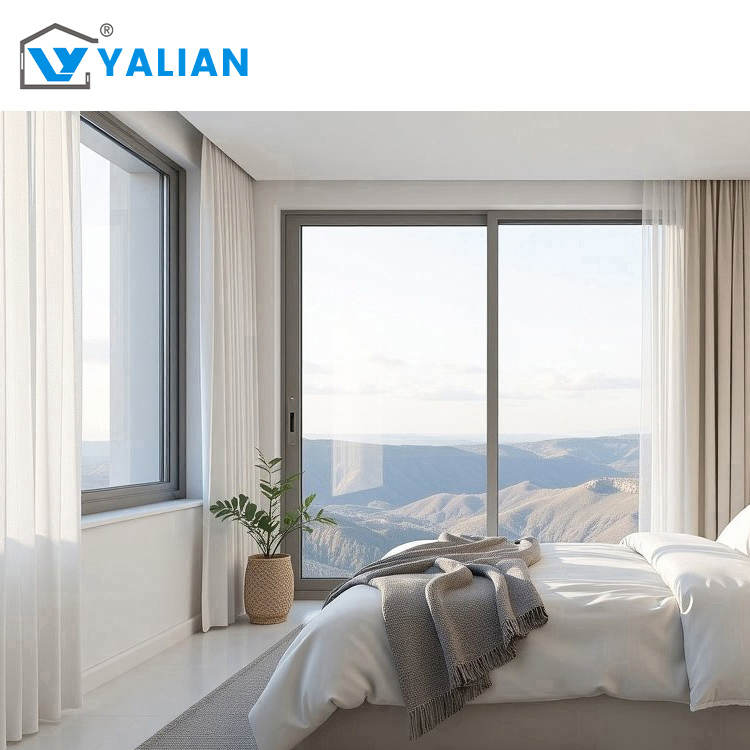
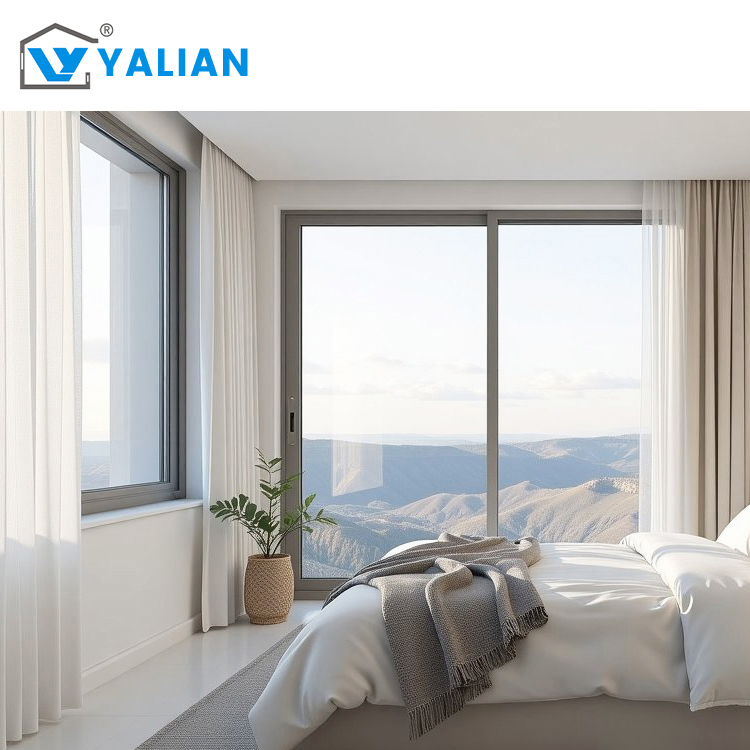
Sliding glass doors are a cornerstone of contemporary building design, offering a seamless transition between interior living spaces and outdoor environments. Unlike traditional hinged doors, these systems utilize heavy-duty tracks to glide smoothly, maximizing opening widths without sacrificing floor space or structural integrity.
For architects and developers, the choice of sliding glass door systems impacts both the aesthetic appeal and energy efficiency of a project. High-quality aluminum frames provide superior durability against weather elements while supporting large panes of glass that flood rooms with natural light.
Investing in premium sliding glass door solutions ensures long-term performance, reducing maintenance costs for property managers while enhancing the market value of residential and commercial real estate.
With a factory covering 100,000 square meters and an annual production capacity of 50,000 tons of aluminum profiles, we ensure consistent supply for large-scale projects. Our automated production lines minimize human error, guaranteeing uniform quality across every batch of sliding door components.
We employ internationally advanced technology, including two anodizing lines, two electrophoretic coating lines, and simulated wood grain production lines. These processes significantly enhance corrosion resistance and aesthetic longevity, which is critical for sliding doors exposed to harsh coastal or industrial environments.
All products meet international quality standards, having served over 1,500 projects in more than 100 countries. This global track record demonstrates our ability to adapt to diverse regulatory requirements and climate conditions, providing buyers with confidence in product reliability.
Selecting the appropriate sliding glass door system requires balancing technical specifications with functional requirements. Buyers must evaluate frame materials, glazing options, and track mechanisms to ensure optimal performance.
Look for high-grade aluminum alloys that offer strength-to-weight ratio. Thicker wall thicknesses (typically 1.4mm-2.0mm+) prevent warping in wide sliding panels, ensuring smooth operation over decades of use.
For energy-efficient buildings, thermal break aluminum profiles are essential. They interrupt heat transfer through the metal frame, significantly lowering HVAC costs and preventing condensation on interior surfaces.
Double or triple glazing with Low-E coatings maximizes insulation. Consider gas fills (argon/krypton) for superior thermal performance, especially in extreme climate zones where temperature regulation is critical.
Before finalizing orders for bulk sliding glass door projects, procurement teams should verify the following critical parameters to mitigate risk and ensure compliance with project specifications.
Even high-quality sliding glass doors can encounter issues if not specified correctly or installed improperly. Understanding these common pitfalls allows buyers to implement preventive measures during the procurement phase.
Over time, dirt and debris can accumulate in the bottom track, causing wheels to jam or operate roughly. Solution: Specify systems with removable tracks for easy cleaning, and install protective covers during construction to prevent debris ingress before handover.
Improper sealing or desiccant failure in insulated glass units leads to internal fogging, ruining aesthetics and insulation value. Solution: Ensure suppliers use high-quality butyl sealants and molecular sieves, with strict quality control on unit assembly.
Our sliding glass door systems are engineered to meet the specific demands of various architectural sectors, from luxury residential developments to high-traffic commercial complexes.
High-end villas and apartments benefit from wide-opening sliding systems that create expansive terrace connections. The sleek aluminum profiles complement modern minimalist designs while providing security and noise reduction.
Corporate headquarters require durable, low-maintenance entrances. Our sliding doors handle high-frequency usage with robust hardware systems, while thermal insulation properties reduce operational energy costs for facility managers.
Hotels and retail stores use sliding glass doors to maximize storefront visibility and customer flow. Customizable finishes allow brands to match corporate identity colors, creating cohesive exterior aesthetics.
When evaluating potential suppliers for sliding glass door systems, prioritize manufacturers with integrated capabilities rather than simple assemblers. A vertically integrated supplier controls the entire process from aluminum extrusion to final window assembly.
Companies like Foshan Yalian, established in 1993, own their extrusion lines, surface treatment facilities, and deep processing workshops. This integration ensures:
A reliable supplier should offer detailed CAD drawings, structural calculations for wind loads, and assistance with specification writing. Look for partners who understand local building codes in your target market and can provide compliant product solutions.
With proper maintenance, high-quality aluminum sliding glass doors can last 20-30 years or more. The aluminum frame itself is corrosion-resistant and does not warp, rot, or rust. Key factors affecting lifespan include the quality of seals, frequency of track cleaning, and the durability of the hardware system (rollers and handles).
Upgrading to double or triple glazing with Low-E coatings and argon gas fills significantly improves thermal performance. Additionally, ensuring proper weatherstripping and installing thermal break aluminum frames can reduce heat transfer by up to 50%. For retrofit projects, consider adding storm doors or applying window film as supplementary insulation measures.
Multi-track systems allow for greater ventilation control by enabling partial opening of multiple panels. They also provide better security when equipped with interlocking sashes. For wider openings, multi-track configurations distribute weight more evenly across rollers, reducing wear and tear on individual components compared to single-panel heavy-duty setups.
Yes, modern sliding door systems offer extensive customization options. Manufacturers can provide various powder coating colors, wood grain finishes via simulated wood grain lines, and anodized effects. Panel configurations, mullion patterns, and decorative grids can be tailored to match traditional, modern, or industrial architectural themes.
Regular maintenance includes cleaning tracks monthly to remove debris, lubricating rollers and hinges quarterly, and inspecting seals annually. Commercial-grade hardware should be adjusted periodically to maintain alignment. Professional servicing every 1-2 years is recommended for high-traffic applications to ensure safety and smooth operation.
About Us
Related Products List
Contact Us

Privacy statement: Your privacy is very important to Us. Our company promises not to disclose your personal information to any external company with out your explicit permission.
Fill in more information so that we can get in touch with you faster
Privacy statement: Your privacy is very important to Us. Our company promises not to disclose your personal information to any external company with out your explicit permission.