


Please Leave Us A Message
Privacy statement: Your privacy is very important to Us. Our company promises not to disclose your personal information to any external company with out your explicit permission.


Thermal break aluminum windows are a specialized type of building envelope system designed to significantly improve energy efficiency and indoor comfort. The core innovation lies in the incorporation of a low-conductivity material—typically Polyamide (PA66) strips reinforced with glass fiber—that physically separates the interior and exterior aluminum profiles.
Aluminum is an excellent conductor of heat and cold. Without a thermal break, your window frame would act as a bridge, transferring outdoor temperatures directly into your home. By introducing this barrier, we stop heat transfer at its source. For property developers and homeowners, this translates to lower HVAC costs, reduced condensation, and a quieter living environment.
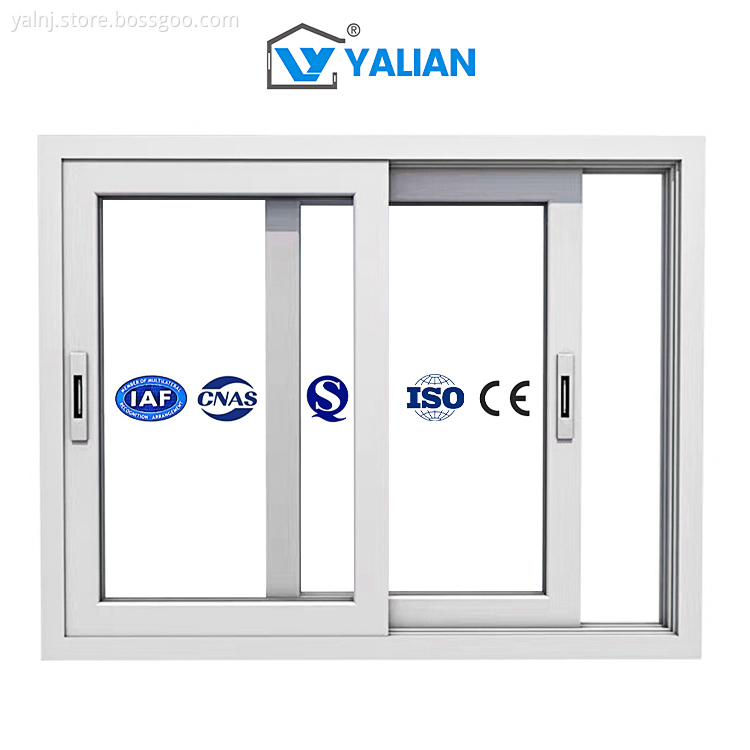
Our thermal break technology reduces U-values significantly compared to standard aluminum systems. This means less heat loss in winter and less heat gain in summer, directly lowering your client's long-term operational costs.
By keeping the interior surface temperature closer to room temperature, these systems prevent moisture buildup. This protects wall finishes from mold and improves overall indoor air quality for end-users.
We use PA66 GF25 polyamide strips that match the strength of the aluminum itself. This ensures the window maintains structural integrity against wind loads while providing thermal insulation.
The technology allows for slim sightlines without sacrificing performance. We offer various powder coating, wood grain, and anodized finishes to match any architectural design requirement.
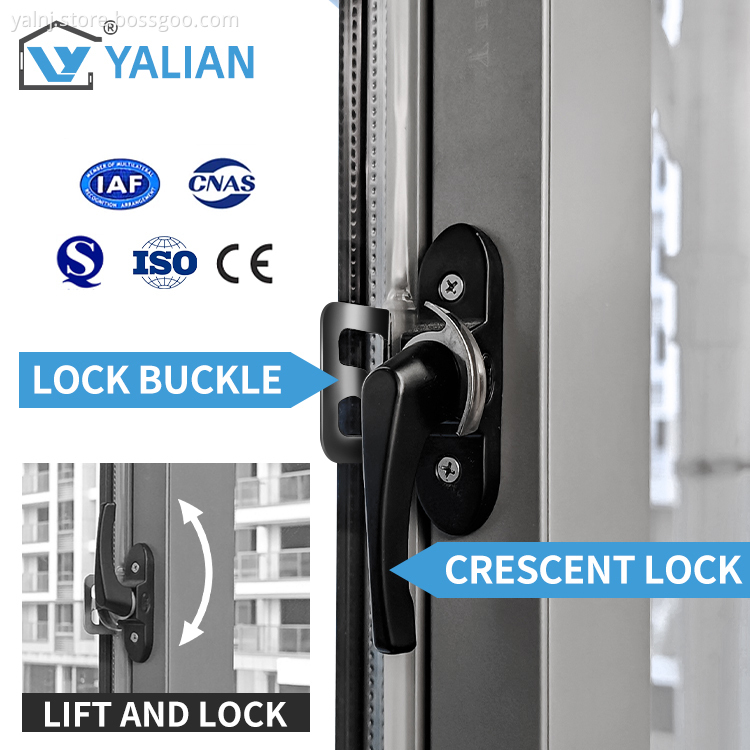
Foshan Yalian Door And Window System Technology Co., Ltd. operates a 100,000 square meter facility equipped with internationally advanced automation. Our production capacity of 50,000 tons annually ensures reliable supply chain stability for large-scale projects.
We specialize in high-precision gluing injection and threading technologies for our thermal break systems. These processes ensure a permanent, gap-free bond between the aluminum and the insulation strip, preventing delamination over time.
With over 1,500 projects served across 100 countries, our quality management systems meet rigorous international standards, giving you confidence in every shipment.
Glue Injection vs. Threading: Glue injection offers superior watertightness and aesthetic continuity, ideal for high-end facades. Threading is cost-effective and robust for standard residential applications. Select based on your project's performance requirements and budget.
Always specify PA66 GF25 (Polyamide 6.6 with 25% glass fiber). PVC strips degrade quickly under UV exposure. PA66 ensures dimensional stability and matches the thermal expansion rate of aluminum.
Choose electrophoretic coating for coastal areas due to its corrosion resistance. For inland projects, fluorocarbon spraying (PVDF) provides excellent weather resistance and color retention for decades.
Evaluate the U-value (thermal transmittance), air tightness (Class 8-10), and water tightness (high pressure resistance). Ensure the supplier provides third-party lab test reports for verification.
Sourcing from a company that handles both extrusion and deep processing (like Yalian) reduces communication gaps and ensures consistent quality control from raw aluminum to finished window.
Before committing to bulk orders, request physical samples. Test the corner cleavage strength, check the surface finish quality, and verify the color consistency against RAL standards.
Ensure the supplier has a dedicated technical team to assist with installation guidelines and troubleshooting. A responsive partner minimizes downtime on your construction sites.
Solution: Specify complete perimeter thermal breaks. Avoid "broken" designs that leave small conductive paths. Use multi-chamber profile designs to trap air and further insulate.
Solution: Mandate pre-treatment standards (chromium-free conversion coating). Ensure PVDF coatings are applied to a minimum of 30 microns for exterior durability.
Solution: Require integrated drainage systems with wind-lock caps. Verify rubber gasket quality (EPDM) for long-term elasticity and sealing performance.
Non-thermal break aluminum is a single piece of metal, conducting heat and cold rapidly. Thermal break windows insert a polymer strip between the inner and outer aluminum frames, breaking the heat flow path. This results in significantly better insulation, condensation prevention, and noise reduction.
Yes, the initial cost is higher due to the additional materials and complex manufacturing process. However, the total cost of ownership is often lower because of substantial savings on heating and cooling bills over the lifespan of the building.
Absolutely. We offer extensive customization including profile cross-sections, widths, colors (RAL codes), and surface finishes. Our engineering team can work with your architects to develop bespoke solutions for unique architectural requirements.
With proper installation and maintenance, high-quality thermal break aluminum windows can last 30-50 years. The PA66 insulation strips are durable and do not degrade easily, ensuring long-term performance stability.
Yes, we provide detailed CAD drawings, installation manuals, and joint details for every project. Our technical support team is available to guide your installers through the process to ensure optimal performance.
About Us
Related Products List
Contact Us

Privacy statement: Your privacy is very important to Us. Our company promises not to disclose your personal information to any external company with out your explicit permission.
Fill in more information so that we can get in touch with you faster
Privacy statement: Your privacy is very important to Us. Our company promises not to disclose your personal information to any external company with out your explicit permission.