


Please Leave Us A Message
Privacy statement: Your privacy is very important to Us. Our company promises not to disclose your personal information to any external company with out your explicit permission.


A manual opening shutter is a robust window covering system designed for secure ventilation and weather protection without the need for electrical power. Unlike motorized alternatives, these systems rely on mechanical crank handles, pulleys, or direct linkage rods to lift, lower, and tilt the louvers.
For commercial buildings and high-security residential properties, manual operation offers a distinct advantage: zero dependency on electricity. This ensures continuous functionality during power outages and eliminates the risk of motor failure over time. The mechanism allows precise control over airflow direction and volume, making it an ideal solution for spaces requiring reliable, low-maintenance ventilation.
Our aluminum manual opening shutters are engineered with precision-machined components that ensure smooth operation even after years of use. The design prioritizes durability and security, providing a heavy-duty barrier against intrusion while maintaining aesthetic flexibility.
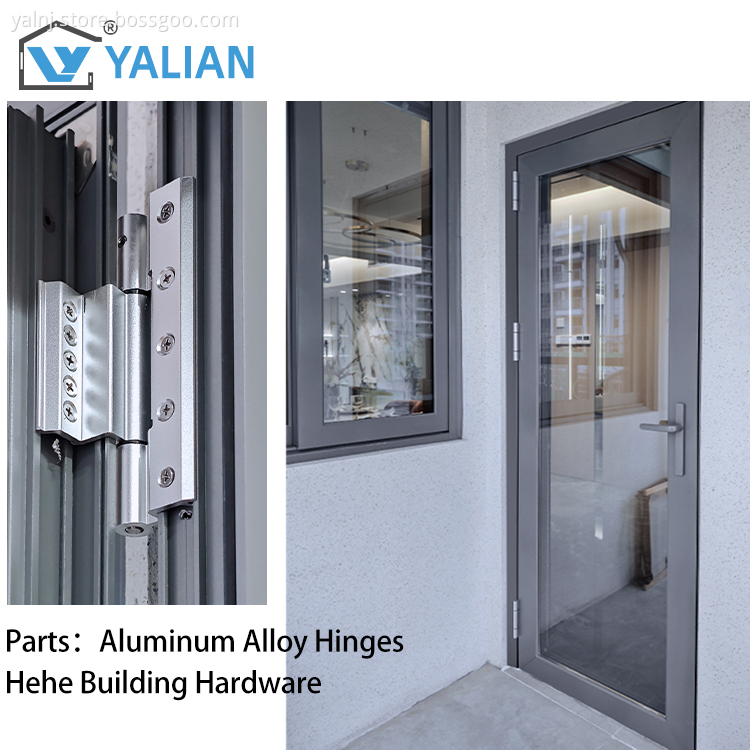
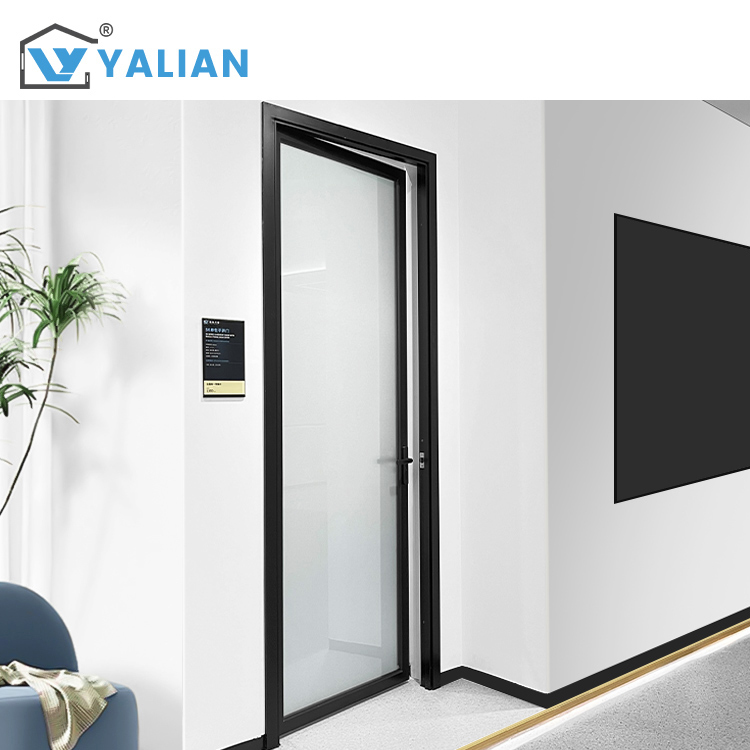
At Foshan Yalian, quality is embedded in every stage of production. As a large-scale enterprise with over 30 years of experience, we utilize advanced aluminum extrusion lines ranging from 600 to 2500 tons to produce profiles with exceptional dimensional accuracy and structural integrity.
We employ two anodizing lines, two electrophoretic coating lines, and a thousand-ton color powder spraying line. These processes ensure our manual opening shutters resist corrosion, UV fading, and harsh weather conditions, significantly extending their lifespan.
Our dedicated door and window business unit uses advanced processing equipment to deep-process profiles. This ensures that every joint, screw hole, and connection point in your shutter system fits perfectly, guaranteeing smooth manual operation and long-term reliability.
All products meet international quality standards. With a capacity of 50,000 tons annually, we maintain consistent quality across large orders, serving over 1,500 projects in more than 100 countries.
Selecting the optimal manual shutter system requires balancing functional needs with environmental factors. Buyers should evaluate the following key criteria to ensure the chosen system provides adequate security, ventilation, and longevity.
Standard architectural shutters typically use 6063-T5 aluminum alloy. For high-wind zones or coastal areas, specify thicker wall sections (≥1.4mm) to prevent louver deformation. Higher-grade alloys offer better tensile strength for manual lifting mechanisms.
Choose between powder coating, anodizing, or electrophoresis based on your climate. Anodized finishes excel in corrosive environments (near the sea), while powder coating offers broader color customization for aesthetic integration with building facades.
Decide between crank-handle, pull-cord, or rod-operated systems. Crank handles offer precise control but require internal access. Pull-cords are simpler but may lack fine-tuning. Ensure the mechanism matches the available maintenance space behind the shutter.
Common angles range from 0° to 45°. Steeper angles provide more privacy and rain protection but reduce airflow. Consider the building's orientation and nearby structures when selecting the blade angle to balance light and air intake.
Look for integrated locking bars that secure the entire shutter frame when closed. High-quality manual shutters should include anti-lift devices to prevent forced entry from the outside, ensuring maximum property protection.
Verify if the supplier can accommodate custom sizes and colors. Standard sizes limit design flexibility. A manufacturer with strong extrusion capabilities, like Yalian, can tailor dimensions and finishes to match specific project requirements.
Use this checklist to evaluate potential suppliers and products before finalizing your procurement decision. This guide helps mitigate risks associated with quality inconsistencies and delivery delays.
Understanding common pitfalls can save significant time and cost. Below are frequent issues encountered in the industry and how to avoid them.
Problem: The crank handle becomes difficult to turn or the louver sticks.
Solution: This often results from poor profile tolerances or misaligned pivot points. Specify suppliers with CNC machining centers and rigorous quality control on extrusion dimensions. Regular lubrication of moving parts also helps.
Problem: Surface finish degrades prematurely, especially in humid or coastal areas.
Solution: Low-quality powder coatings or insufficient anodizing thickness lead to early failure. Always request salt spray test reports (e.g., 1000+ hours) and verify the surface treatment process used by the manufacturer.
Problem: Shutters do not fit the rough opening, causing installation delays.
Solution: Rely on precise site measurements rather than estimated dimensions. Work with suppliers who offer on-site measurement services or detailed installation templates to ensure a perfect fit.
Problem: The shutter can be easily forced open or lifted out of its track.
Solution: Cheap materials bend under pressure. Opt for reinforced designs with anti-lift hooks and multi-point locking systems. Verify the wall thickness of the profiles to ensure structural rigidity.
Partnering with an established, vertically integrated manufacturer offers distinct advantages over smaller workshops. Here is why industry leaders like Foshan Yalian are recommended for bulk procurement.
From raw aluminum billets to finished windows, controlling the entire supply chain ensures consistent quality and faster response times. You deal with one entity for all technical and logistical issues.
With an annual capacity of 50,000 tons, large manufacturers can offer competitive pricing without compromising on material quality. This reduces your landed cost per unit significantly.
Serving over 1,500 projects globally demonstrates reliability and adaptability to diverse market requirements. Their experience translates to fewer surprises and smoother project execution.
Access to 600-2500 ton extrusion presses and automated processing lines ensures high precision and repeatability, critical for large-scale construction projects.
Dedicated technical teams provide pre-sales consultation, installation guidance, and after-sales support, simplifying your procurement workflow and reducing risk.
Flexible production lines allow for custom colors, sizes, and configurations, enabling you to meet unique architectural demands without minimum order quantity constraints.
With proper maintenance, a high-quality aluminum manual shutter can last 20-30 years or more. The aluminum alloy itself is corrosion-resistant, and the surface finish protects against UV degradation. Regular cleaning and lubrication of the mechanical parts will extend its operational life.
Yes, provided they are designed and manufactured to meet local wind load standards. Our company uses advanced extrusion technology to create profiles with reinforced ribs and thicker walls, specifically suitable for harsh coastal environments. Ensure the supplier provides engineering calculations for your specific location.
Manual shutters eliminate the risk of motor failure and do not require electrical wiring, making them ideal for remote locations or areas with unreliable power. While motorized shutters offer convenience, manual systems are generally more cost-effective, easier to repair, and have a longer service life due to fewer electronic components.
Maintenance is minimal. Periodically clean the frames with mild soap and water to remove dirt and salt deposits. Lubricate the moving parts (crank, gears, pivots) with a silicone-based lubricant once or twice a year. Inspect the locking mechanism and seals for wear and replace if necessary.
Absolutely. Most manufacturers, including Foshan Yalian, offer a wide range of powder coating colors and wood grain finishes. You can match any RAL color code or choose from standard options to complement your building's exterior design.
Security depends on the design and material quality. Choose shutters with anti-lift devices, reinforced locking bars, and thick-walled profiles. Additionally, installing secondary locks or tamper-proof screws can further enhance security. Our products are designed to meet international security standards.
About Us
Related Products List
Contact Us

Privacy statement: Your privacy is very important to Us. Our company promises not to disclose your personal information to any external company with out your explicit permission.
Fill in more information so that we can get in touch with you faster
Privacy statement: Your privacy is very important to Us. Our company promises not to disclose your personal information to any external company with out your explicit permission.