


Please Leave Us A Message
Privacy statement: Your privacy is very important to Us. Our company promises not to disclose your personal information to any external company with out your explicit permission.


In the context of high-performance building envelopes, glass is not merely a transparent barrier but a critical component of thermal efficiency, acoustic insulation, and structural safety. When integrated into aluminum door and window systems, glass units must meet rigorous standards for U-values, solar heat gain coefficient (SHGC), and impact resistance.
Modern architectural glass solutions combine tempered or laminated safety glass with advanced frame profiles to create cohesive building envelope systems. These systems are engineered to withstand environmental stressors while maximizing natural light transmission and minimizing energy loss. For architects and developers, selecting the right glass-to-aluminum ratio is essential for achieving LEED certification goals and occupant comfort.
The synergy between low-E coated glass and thermally broken aluminum frames defines the performance ceiling of modern fenestration. This combination addresses the primary pain point of traditional windows: the trade-off between visibility and insulation. By optimizing this balance, buildings can significantly reduce HVAC loads while maintaining aesthetic transparency.
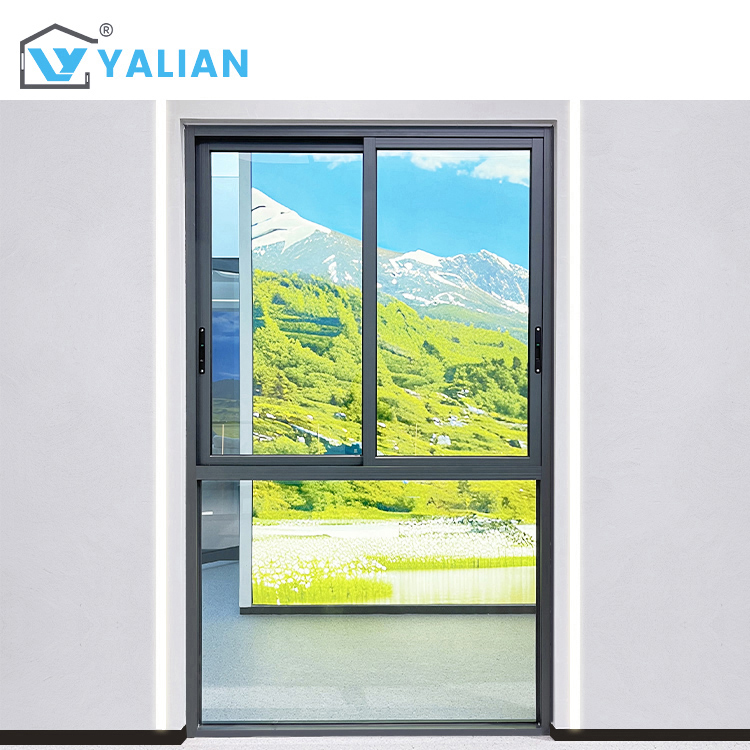
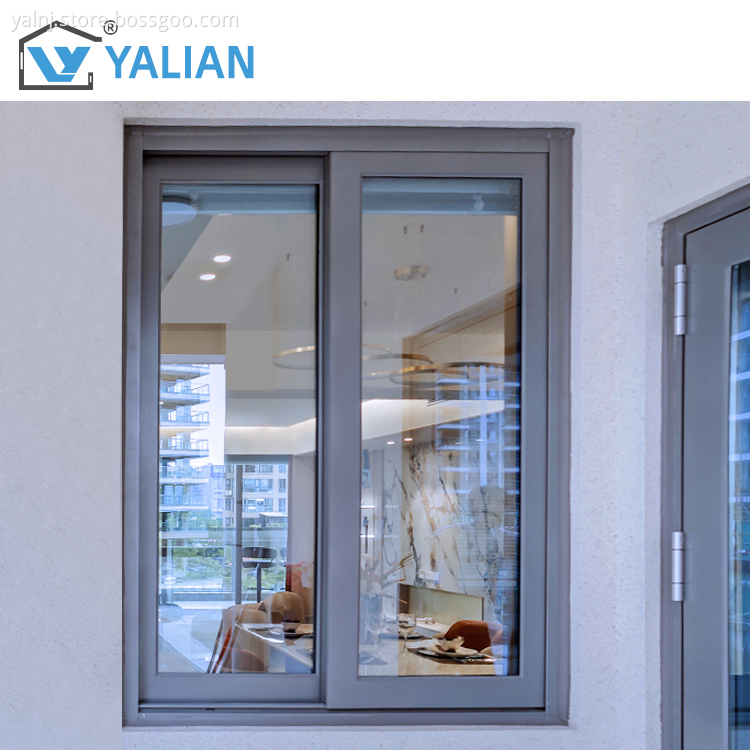
Our manufacturing facility integrates precision aluminum extrusion with strict glazing compatibility protocols. With an annual production capacity of 50,000 tons of aluminum profiles, we ensure that every frame meets dimensional tolerances required for large-format glass panels. This scale allows us to maintain consistent quality across bulk orders for international projects.
The production process utilizes advanced equipment ranging from 600-ton to 2,500-ton extrusion presses, ensuring dense, uniform alloy structures that resist warping under heavy glass loads. Surface treatments, including anodizing, electrophoretic coating, and powder spraying, provide corrosion resistance essential for coastal or high-humidity environments where glass facades are exposed to salt spray.
Quality assurance extends to the interface between glass and frame. Our glazing gaskets and structural silicone application processes are calibrated to accommodate thermal expansion differences between aluminum and glass. This prevents stress fractures in tempered glass and maintains air/water tightness over decades of operation. Buyers benefit from reduced warranty claims and lower lifecycle maintenance costs.
Selecting the optimal combination of glass type and aluminum profile requires evaluating climate zone, building codes, and aesthetic requirements. The decision matrix should prioritize thermal performance metrics alongside structural integrity and visual clarity.
Evaluate your project's U-value targets based on local climate data. Cold climates demand triple-glazed units with argon fill and warm-edge spacers, while hot climates require low-E coatings to reject solar heat. Thermally broken aluminum profiles with polyamide strips are essential for preventing condensation and heat transfer at the frame.
Large glass panels impose significant wind loads on framing systems. Verify that the aluminum profile series (e.g., 60, 70, or 80 series) matches the span requirements. Safety glass, such as tempered or laminated varieties, is mandatory for fall protection and impact resistance in commercial and high-rise residential applications.
For urban or noisy environments, acoustic performance is critical. Asymmetric glass configurations, such as combining different thicknesses of laminated glass, disrupt sound wave resonance. Paired with multi-seal gasket systems in the aluminum frame, these assemblies can achieve STC ratings above 40dB.
Use this checklist to validate supplier capabilities and product specifications before finalizing procurement contracts. Each item addresses a common risk point in international sourcing.
International buyers often encounter specific challenges when sourcing fenestration systems. Understanding these pitfalls helps mitigate risk and ensures smoother project execution.
The Problem: Poorly designed frames allow heat transfer through the aluminum, causing cold spots where condensation forms. This leads to mold growth and water damage on interior walls.
The Solution: Specify thermally broken profiles with continuous polyamide strips. Ensure the thermal break spans the entire depth of the frame to eliminate conductive paths. Low-E glass further reduces surface temperature differentials.
The Problem: Moisture ingress between glass panes due to degraded sealants causes fogging and reduced insulation value. This is common in suppliers using inferior butyl sealant or poor spacer technology.
The Solution: Require dual-seal IGU construction with high-quality butyl primary seal and polysulfide or silicone secondary seal. Use warm-edge spacers to minimize edge heat loss and extend sealant lifespan.
The Problem: Powder coating or anodized layers fade, peel, or corrode prematurely in harsh environments, ruining the building's aesthetic and exposing bare aluminum to oxidation.
The Solution: Demand PVDF fluorocarbon coatings for exterior applications in coastal or industrial areas. Verify film thickness standards (e.g., ≥25μm for powder coating) and conduct adhesion tests before approval.
The Problem: Extruded profiles with poor dimensional accuracy cause gaps during installation, leading to air leakage and difficulty fitting standard glass sizes.
The Solution: Source from manufacturers with automated cutting and drilling equipment. Request mill certificates verifying tolerance levels (typically ±0.15mm for critical dimensions) and inspect random samples upon arrival.
Our aluminum and glass solutions serve diverse sectors, each with unique performance demands. From residential comfort to commercial landmark facades, our systems adapt to varying architectural needs.
Multi-story residential buildings require systems that address wind pressure, acoustic privacy, and fire safety. Our casement and sliding window systems feature reinforced corners and multi-point locking hardware to withstand high wind loads while providing superior sound insulation for urban living.
Corporate headquarters and shopping malls demand expansive curtain wall systems that maximize daylight while controlling solar gain. Our structural silicone glazed facades offer sleek, minimalist aesthetics with high thermal performance, reducing reliance on artificial lighting and HVAC systems.
Hotels and resorts prioritize guest experience through seamless indoor-outdoor transitions. Our large-format sliding doors and folding systems create expansive terraces with minimal visual obstruction, enhancing the luxury appeal while maintaining weather tightness against coastal elements.
Choosing the right manufacturing partner is as critical as selecting the product itself. Look for suppliers who demonstrate vertical integration, global experience, and technical transparency.
Suppliers who control both aluminum extrusion and window assembly offer better quality control and cost efficiency. Integrated manufacturers can optimize profile designs specifically for their own glazing processes, reducing compatibility issues. Foshan Yalian’s 100,000 sqm facility exemplifies this advantage, allowing end-to-end oversight from raw material to finished product.
A supplier with a track record of serving 100+ countries understands diverse building codes, climate requirements, and logistics challenges. Ask for references from projects in your region or similar climate zones. Proven experience indicates reliable documentation support, compliance testing, and after-sales service capability.
Reputable suppliers provide detailed technical datasheets, including U-values, air permeability rates, and water tightness classifications. They should willingly share cross-sectional drawings and material certifications. Avoid suppliers who withhold technical details or provide vague performance claims without third-party verification.
Advanced automation ensures consistent quality and faster lead times. Suppliers using robotic cutting, CNC drilling, and automated assembly lines produce tighter tolerances and cleaner finishes than manual operations. This reduces installation errors and improves the overall build quality of your project.
Lead times generally range from 30 to 45 days depending on order volume and customization complexity. Standard sizes ship faster, while large-format curtain walls or specialized coatings may require additional production time. We recommend initiating inquiries 60 days before project installation dates to accommodate logistics and customs clearance.
Yes, our profile series are designed to accommodate various glass configurations, including single pane, double glazing (24mm, 28mm), and triple glazing (40mm+). Custom gasket channels and bead profiles ensure secure retention and proper sealing for your specified IGU thickness.
Most markets require CE marking for Europe, ASTM standards for North America, and AS/NZS for Australia. Our products undergo rigorous testing for wind load resistance, air/water tightness, and impact safety. We provide full test reports and certification documentation to facilitate customs clearance and building permit approvals.
We specify tempered or laminated safety glass for all exterior applications, which shatters safely if broken. Additionally, our framing systems are engineered to exceed local wind load requirements, with reinforcement options for hurricane-prone regions. Seismic flexibility is addressed through slip joints and expanded sealant gaps.
For coastal or high-salinity environments, we recommend PVDF fluorocarbon powder coating or heavy-duty anodizing (Class III, ≥25μm). These treatments offer superior resistance to salt spray corrosion and UV degradation, ensuring long-term aesthetic and structural integrity even in aggressive marine atmospheres.
Yes, we provide comprehensive installation manuals, detailing anchor spacing, sealant application, and leveling procedures. Our technical team offers remote support via video calls or on-site supervision for large projects, ensuring correct installation and optimal performance of the window and glass systems.
We typically offer a 10-year warranty on aluminum profiles against corrosion and finish degradation, and a 5-year warranty on IGU seal integrity against fogging. Extended warranty options are available for commercial projects, providing additional peace of mind for long-term asset protection.
Aluminum profiles are packed in sturdy cartons with foam protection and strapped to pallets. Glass units are crated in wooden boxes with corner protectors and shock-absorbing materials. All packages are moisture-proof and clearly labeled with handling instructions to prevent damage during transit and port handling.
About Us
Related Products List
Contact Us

Privacy statement: Your privacy is very important to Us. Our company promises not to disclose your personal information to any external company with out your explicit permission.
Fill in more information so that we can get in touch with you faster
Privacy statement: Your privacy is very important to Us. Our company promises not to disclose your personal information to any external company with out your explicit permission.